

Sometimes we feel certain that moving away from fossil fuels is inherently clean and fair. But what if both moving forward and standing still come at the expense of the same vulnerable communities?
Indonesia is currently facing this dilemmatic situation. The need to transition away from fossil fuels is emerging as it no longer reliable in many aspects. As we all know, emission from fossil fuels has caused a lot of environmental damage from pollution to raising temperatures. The domino effect could even leads more various problems that could severely affect people’s quality of life. But the urgency to leave fossil fuels behind is way more than that. Investing in energy source that is highly affected by geopolitical situation and will eventually run out is no longer strategic and relevant.
Transportation has also been one of the essential sector to decarbonize. Transportation sector play a major role in economic circulation, from daily mobility to goods delivery. The fluctuation of vehicle fuels will directly affect goods pricing and of course the economy. Therefore, a real sustainable solution to drive away from fossil fuels is highly needed.
One of the most commonly proposed solutions to reduce fossil fuel consumption is the transition to electric vehicles (EVs). At first, this seems like a clean solution since EVs do not rely on fossil fuels for operation. However, if we look closer, the situation become more complicated than it looks. While EVs sounds environmentally friendly and are frequently framed that way, we need to look more closely at the EV industry and the sources of the electricity we rely on.
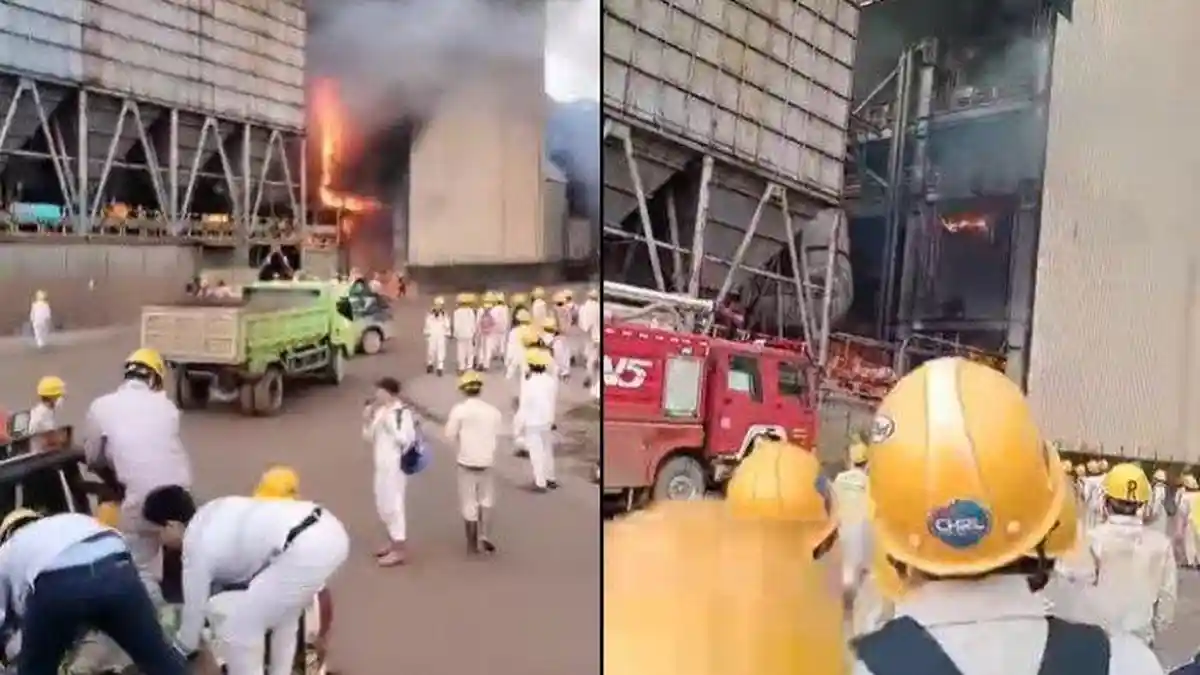
The EV industry, along with related sectors like nickel and other heavy metals used as raw materials in Indonesia, is far from “clean”, let alone “fair.” Industrial parks that process and supply these materials, such as PT. Indonesia Weda Bay Industrial Park (IWIP) and PT. Indonesia Morowali Industrial Park (IMIP), have been causing serious harm to the environment and surrounding communities.
Source: Kompas.com
Not only that, these industrial park also expose workers to unsafe and often hazardous conditions on a regular basis. These realities contradict the vision of a Just Energy Transition, a shared goal we collectively aspire to, one that is not only about shifting to cleaner energy but also ensure the transition is fair for everyone and protects fundamental rights, including workers’ rights.
More importantly, this industry is built on deeply extractive practices. Nickel mining has resulted in massive deforestation, causing climate disaster such as floods. Forest Watch Indonesia reports over 4,000 hectars of forest in Weda, particularly around the Kobe River, have been destroyed, resulting in floods reaching up to two meters in height. On top of that, the electricity we rely on to power EVs is still far from clean. Approximately 70% of Indonesia’s energy mix still relies heavily on fossil fuels, with coal-fired power plants (PLTU) dominating the energy system.
These realities leave us caught in a dilemma: the urgent need to move away from fossil fuels, yet the available solutions that seemingly the only viable ones we currently have are tied to industry that are far from fully just or truly clean. At the same time, continuing with the status quo by extending the life of fossil fuels is unfair to those who are already impacted by the climate crisis, yet the existing solutions also end up sacrificing the same vulnerable groups that are already being impacted.
So what comes next, when both action and inaction seem to sacrifice the same people? How do we build a transition that does not simply shift harm, but actually reduces it for those who have already borne the greatest costs? One thing is clear, that EV industry must prioritizes the rights and well-being of its workers and surrounding communities as the core requirement of the transition. This includes guaranteeing safe working conditions, fair wages, enforcing strict environmental standards that protect local land, water, and health. This also means involving affected communities in decision-making processes and holding companies accountable for their actions. Without these protections, the transition could replicate the very injustices it seeks to address.
